Bangladesh Dhaka TB Clinics Detect Multidrug Resistance Months After GeneXpert Arrives
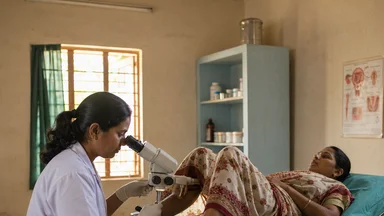
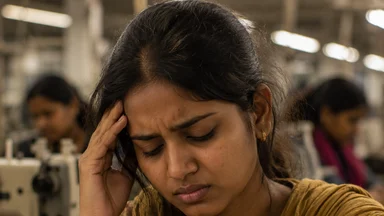
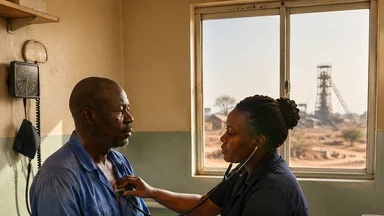
In the sprawling garment factories of Savar, on the outskirts of Dhaka, Amina Begum spent two years coughing into her sleeve. She took the pills the clinic gave her, month after month, but the cough only deepened. By early 2026, she weighed less than 40 kilograms and her family had begun to whisper about funeral costs. Then, in March, a new machine at her local TB clinic spat out a result in under two hours: her tuberculosis was resistant to rifampicin, the most powerful first-line drug. The machine was a GeneXpert, part of a rollout that had begun months earlier across 50 clinics in Dhaka division. For Amina and thousands like her, the test arrived late, but it arrived.
GeneXpert Arrives, Resistance Surfaces
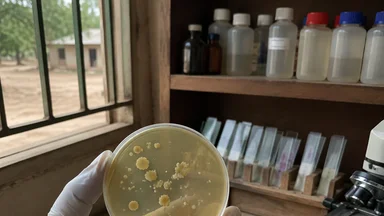
Bangladesh has one of the highest tuberculosis burdens in the world, with an estimated 350,000 new cases each year. For decades, diagnosis relied on sputum microscopy, a method that can detect TB bacteria but cannot tell whether those bacteria are drug-resistant. Patients with multidrug-resistant TB (MDR-TB) often received standard treatment for months or years, their health deteriorating as the drugs failed.
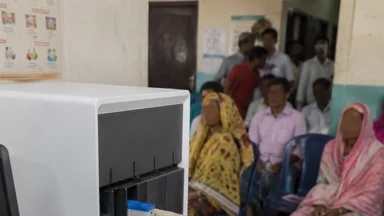
In late 2025, with support from the Global Fund, Bangladesh began deploying GeneXpert machines across Dhaka division. GeneXpert is a cartridge-based molecular test that detects TB DNA and identifies mutations conferring resistance to rifampicin, a key indicator of MDR-TB. The test takes roughly two hours, compared with weeks for conventional culture-based drug susceptibility testing.
Within months of the rollout, clinics began reporting a pattern: roughly one in every 20 patients tested had rifampicin-resistant TB. Many of these patients had been treated for drug-sensitive TB before, without improvement. The machines were revealing a hidden burden of MDR-TB that had likely been circulating for years, invisible to the old diagnostic tools.
Dr. Sirajul Islam, a TB specialist at the National Institute of Diseases of the Chest and Hospital in Dhaka, described the situation as both a success and a warning. “We are now seeing what we were missing,” he said. “But seeing it is only the first step.”
Amina's Cough: Two Years of Wrong Treatment
Amina Begum, 34, worked 12-hour shifts at a garment factory in Savar, a dense industrial zone northwest of Dhaka. She first developed a cough in early 2024. A local clinic diagnosed her with TB using sputum microscopy and put her on a standard six-month regimen of rifampicin, isoniazid, pyrazinamide, and ethambutol.
She completed the course, but the cough persisted. By late 2025, she had lost nearly a quarter of her body weight. She returned to the clinic repeatedly, but without a drug susceptibility test, doctors could only assume she had been reinfected or had not adhered to treatment. They prescribed the same drugs again.
When the GeneXpert machine arrived at her clinic in March 2026, the test immediately showed rifampicin resistance. Amina was started on a second-line regimen, but by then the disease had damaged much of her left lung. She now faces 18 months of daily injections and pills that cause nausea, hearing loss, and joint pain.
Her case is not unique. The World Health Organization estimates that roughly 4–6% of new TB cases in Bangladesh are MDR-TB, but the proportion among previously treated patients may be as high as 20%. Many of these patients, like Amina, are diagnosed only after months or years of ineffective treatment.
Another patient, Mohammad Hossain, a 45-year-old rickshaw puller in Kamrangirchar, a densely packed slum in old Dhaka, had a similar experience. He was diagnosed with TB in 2023 and completed a full course of first-line drugs, but his cough returned within six months. His local clinic did not have GeneXpert until early 2026, when a cartridge confirmed rifampicin resistance. By then, he had already infected his wife and two children. His wife later tested positive for drug-sensitive TB, but one of his children, a 10-year-old boy, was found to have primary MDR-TB—likely transmitted directly from Mohammad. The family now faces two separate treatment regimens, each lasting more than a year, in a single-room home with no running water.
How GeneXpert Works and Why It Matters
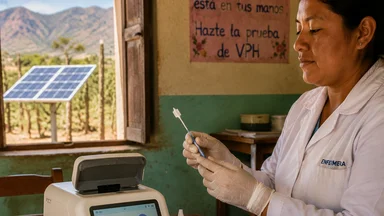
GeneXpert is a molecular diagnostic platform that uses polymerase chain reaction to amplify TB-specific DNA sequences from sputum samples. The machine processes a cartridge containing the sample and reagents, and within two hours reports whether TB is detected and whether a mutation associated with rifampicin resistance is present.
The technology has been endorsed by the World Health Organization since 2010, but its adoption in Bangladesh was slow. The machines cost roughly US$17,000 each, and each cartridge costs US$10–12. Until recently, the country relied heavily on sputum microscopy, which costs less but misses up to half of all TB cases and cannot detect drug resistance.
Now, with 50 machines deployed across Dhaka division, the diagnostic landscape is shifting. Clinics that once took weeks to refer patients for drug susceptibility testing can now identify MDR-TB in a single visit. This allows earlier initiation of second-line treatment, which improves survival and reduces transmission of resistant strains.
But the machines are not a panacea. They require stable electricity, temperature control, and trained technicians. In Dhaka's humid climate, machines sometimes malfunction. Cartridges expire, and supply chain disruptions have caused intermittent shortages. “When the cartridges run out, we go back to microscopy,” said a lab technician at a clinic in Mirpur, who asked not to be named. “That's when patients get lost.”
Some critics argue that the focus on GeneXpert may divert resources from other essential TB control activities, such as active case finding or infection control measures in crowded settings. Dr. Kamal Uddin, a public health researcher at the University of Dhaka, cautioned that while GeneXpert improves diagnosis, it does not address the underlying social determinants of TB, such as poverty, overcrowding, and malnutrition. “We are investing in a high-tech solution,” he said, “but the root causes remain.”
The Hidden Burden of MDR-TB in Urban Slums
Dhaka is one of the most densely populated cities in the world, with millions of people living in slums where families share small, poorly ventilated rooms. TB spreads easily in such conditions, and MDR-TB spreads just as easily. A 2024 survey by the International Centre for Diarrhoeal Disease Research, Bangladesh, estimated that roughly 4–6% of new TB cases in Dhaka slums were MDR-TB, but the true figure may be higher because previous surveillance methods missed many cases.
Before GeneXpert, patients with suspected TB were tested with sputum microscopy. If the test was positive, they were started on first-line drugs. If they did not improve, they might eventually be referred for culture testing, which could take up to eight weeks. Many patients never returned for the results, and those who did often had already developed severe disease.
GeneXpert is now revealing the true scale of resistance. In some clinics, the proportion of rifampicin-resistant cases among new patients has reached 8–10%, higher than earlier estimates. This suggests that MDR-TB may be more widespread than previously thought, driven by poor infection control in crowded homes and delays in effective treatment.
“We are seeing patients who have never been treated before but already have resistant TB,” said Dr. Fatima Rahman, a programme officer at BRAC's TB control programme. “That means they were infected by someone with MDR-TB. The chain of transmission is already established in these communities.”
The implications for transmission are stark. A modeling study published in 2025 by researchers at the University of Cambridge estimated that undiagnosed MDR-TB in Dhaka could be responsible for up to 30% of new TB infections in some slums, because patients remain infectious for longer while on ineffective treatment. GeneXpert could break this cycle, but only if it is paired with rapid treatment initiation and infection control measures such as improved ventilation and mask use in households.
Supply Chain and Cost Barriers Persist
Each GeneXpert cartridge costs roughly US$10–12, funded largely by the Global Fund. But the supply chain is fragile. Cartridges are imported, and customs clearance can take weeks. When stocks run low, clinics ration testing, prioritizing patients who have already failed treatment over new suspects. This means some cases of primary MDR-TB go undetected.
Machine maintenance is another challenge. GeneXpert modules require calibration and occasional repairs, which are handled by a single service provider in Dhaka. When a module breaks, it can take weeks to fix. During that time, the clinic reverts to microscopy.
Bangladesh plans to expand GeneXpert to 200 sites by 2028, but the pace of expansion depends on sustained funding and technical support. The Global Fund's current grant cycle runs through 2027, and negotiations for the next cycle are uncertain. “We need to move from pilot to scale, but scale costs money,” said Dr. Islam.
Meanwhile, some private clinics have begun offering GeneXpert testing for a fee, but at roughly US$25–30 per test, it is out of reach for most slum dwellers. Public sector testing remains free, but patients often face indirect costs such as transport and lost wages, which can deter them from seeking care.
A 2025 study in the Journal of Global Health found that even when GeneXpert was available, the average patient in Dhaka spent roughly US$5–8 on transport to reach a diagnostic centre, and lost about half a day's wages. For a garment worker earning US$2–3 per day, that is a significant barrier. Some patients delay seeking care until their symptoms become severe, by which point the disease is more advanced and harder to treat.
Treatment Access Lags Behind Diagnosis
Diagnosing MDR-TB is only half the battle. Treating it requires 9–18 months of second-line drugs, which are more toxic and expensive than first-line regimens. Patients in Dhaka often have to travel long distances to clinics that provide daily injections. Many drop out of treatment due to side effects, cost, or lack of support.
Loss to follow-up remains high, with some estimates suggesting that roughly 20–30% of MDR-TB patients in Bangladesh do not complete treatment. This not only harms individual patients but also fuels the development of extensively drug-resistant TB (XDR-TB), which is even harder to treat.
Community health workers, like those deployed by BRAC, can help by providing directly observed therapy and psychosocial support. But coverage is uneven, and many patients in urban slums lack access to such services. A 2025 study in Dhaka found that patients who received home visits from community health workers were significantly more likely to complete treatment than those who did not.
But even when patients adhere to treatment, drug stockouts can disrupt therapy. Second-line drugs are less commonly stocked than first-line drugs, and procurement is often delayed. “We diagnose resistance, but then we have to scramble to find the drugs,” said Dr. Rahman. “Sometimes patients wait weeks before they can start treatment.”
The cost of second-line drugs is also a concern. A full course of treatment for MDR-TB can cost roughly US$1,000–2,000 per patient, compared with about US$50 for drug-sensitive TB. While the Global Fund covers most of this cost for public-sector patients, delays in procurement and distribution can create gaps. In some cases, clinics have run out of critical drugs like bedaquiline, a newer and more effective second-line agent, forcing patients to switch to older, more toxic regimens.
Dr. Islam noted that the national TB programme has started training doctors to manage side effects more aggressively, but many patients still suffer in silence. “We need better integration of mental health support, nutrition, and social protection,” he said. “TB treatment is not just about pills.”
What Dhaka's Experience Means for Other Cities
Dhaka's experience with GeneXpert offers lessons for other high-burden cities, such as Karachi, Lagos, and Jakarta. The technology can rapidly identify MDR-TB, but its impact depends on a functioning health system that can link diagnosis to treatment and support patients through long, difficult regimens.
Bangladesh's model of deploying GeneXpert in public clinics and partnering with NGOs like BRAC for community-based treatment has shown promise. But the country's struggles with supply chain, maintenance, and treatment adherence highlight the need for integrated approaches that address the entire cascade of care.
Some experts argue that the focus should shift from diagnostics alone to a comprehensive package that includes active case finding, infection control, and social support. In a 2026 commentary in The Lancet Global Health, researchers called for “diagnostic-plus” strategies that combine molecular testing with immediate access to treatment and follow-up. “GeneXpert is a tool, not a solution,” they wrote.
Others counter that without the diagnostic, the problem remains invisible. “We cannot address what we cannot see,” said Dr. Rahman. “GeneXpert has shown us the scale of MDR-TB. Now we must act on that knowledge.”
For Amina Begum, the diagnosis came late, but it came. She is now on a second-line regimen and hopes to return to work within a year. But many others remain undiagnosed, waiting for a machine that may not arrive, or for drugs that may not be in stock. The GeneXpert machines in Dhaka have lifted a veil, but the path forward remains uncertain.
Mohammad Hossain's family is still in treatment. His son, the 10-year-old with primary MDR-TB, has lost hearing in one ear as a side effect of the injectable drug. The family's monthly income has dropped by half because Mohammad cannot pull his rickshaw while on daily injections. They rely on food aid from a local NGO. “The machine found the resistance,” Mohammad said. “But it did not find us a way out of poverty.”
This article is for informational purposes only and does not constitute medical advice. Individuals seeking health information should consult a qualified healthcare provider.