South African Mining Towns Diagnose Heart Failure After Ejection Fraction Drops Below 35
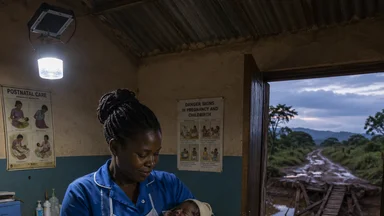
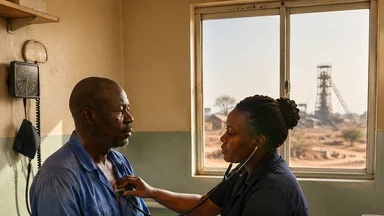
In a mining town in the Northern Cape, a 52-year-old man who has worked underground for three decades arrives at a primary care clinic with swollen ankles and breathlessness after walking 50 metres. The nurse checks his blood pressure—170/100—and refers him to a district hospital. An echocardiogram, if available, would show his left ventricular ejection fraction below 35%. That number, a measure of how much blood the heart pumps with each contraction, is the threshold for implantable cardioverter-defibrillator (ICD) candidacy. But in many rural clinics, the echo never happens. The diagnosis of heart failure comes weeks later, when he collapses at home. The ejection fraction threshold that should trigger prevention instead marks the point of no return.
The 35% Threshold That Silences a Heart
Ejection fraction below 35% is the standard cut-off for ICD implantation in primary prevention of sudden cardiac death. Clinical trials have shown that patients with systolic heart failure and an EF of 35% or less derive a survival benefit from ICDs. But that evidence was generated in populations where diagnosis preceded the drop. In mining towns, the trajectory often runs in reverse: the EF is already low when the patient first learns he has heart disease.
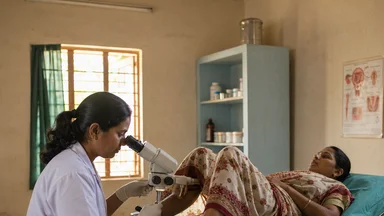
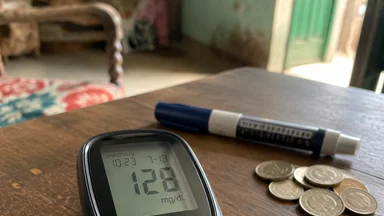
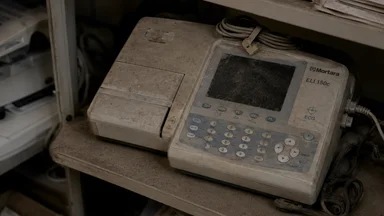
Late diagnosis is structural. Rural clinics rarely have echocardiography machines. A 2023 survey of primary care facilities in the North West province found that fewer than one in five had access to cardiac ultrasound. Patients who need an echo must travel to a regional hospital, often hours away, at a cost of roughly 100–200 rand round trip—a significant sum for a miner earning near minimum wage. Many skip the appointment. By the time a cardiologist sees them, the EF is below 35%.
The symptoms that should raise suspicion—fatigue, dyspnoea on exertion, pedal oedema—are routinely attributed to the physical demands of mining work. “He’s just tired from the shift” is a common refrain. Even when patients mention shortness of breath, the differential diagnosis in a dusty workplace leans toward occupational lung disease, not heart failure. The result is a diagnostic delay that transforms a manageable chronic condition into a late-stage crisis.
Once EF drops below 35%, the prognosis steepens. The five-year mortality for heart failure with reduced ejection fraction exceeds 50% in many cohorts, and sudden cardiac death accounts for a large share. In mining communities, where resuscitation is rarely available, that statistic becomes a near-certainty.
Why Rural Hearts Pump Weaker: Hypertension and Silica Dust
The roots of low ejection fraction in South African miners begin decades before the first symptom. Hypertension is endemic. A 2019 study of gold miners in the Free State found a hypertension prevalence of roughly 40% among men aged 35–55, with many unaware of their blood pressure. Uncontrolled hypertension drives left ventricular hypertrophy and eventually systolic dysfunction through pressure overload and fibrosis.
Silica dust exposure adds another layer. Inhalation of crystalline silica causes silicosis, a fibrotic lung disease that leads to pulmonary hypertension. The right ventricle then faces increased afterload, and in some patients, biventricular failure ensues. Research from the South African National Institute for Occupational Health has linked cumulative silica exposure to reduced right ventricular function independent of fibrosis. The combined burden of systemic and pulmonary hypertension accelerates the remodelling that drops EF below 35%.
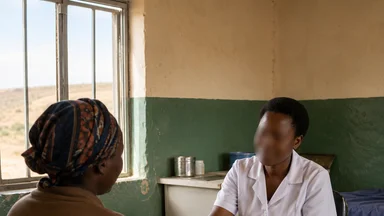
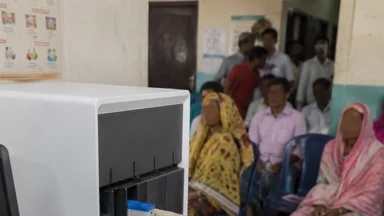
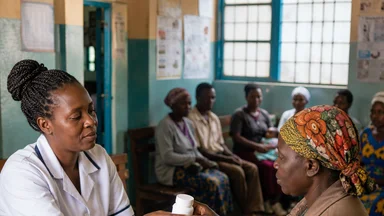
Primary care in mining towns is poorly equipped to manage chronic hypertension. Clinics are often staffed by a single nurse who sees 60–80 patients per day. Blood pressure checks happen, but follow-up is erratic. Many patients receive a month’s supply of hydrochlorothiazide or enalapril and are told to come back when the bottle runs out—no dose titration, no monitoring of electrolytes or creatinine. The health system, focused on acute injuries and occupational diseases, has little capacity for the sustained management that prevents heart failure.
The mining industry’s occupational health services, while better resourced, are siloed. They screen for silicosis and tuberculosis but rarely measure ejection fraction. A miner who retires or leaves the industry falls off the occupational health radar entirely. Primary care then inherits a patient with years of untreated hypertension and a heart that is already failing.
Atrial Fibrillation: The Irregular Beat That Escapes Detection
Atrial fibrillation (AF) is a common complication of hypertension and a major risk factor for stroke. In mining towns, AF frequently goes undetected. Paroxysmal AF, which comes and goes, is especially elusive. A patient may have symptoms—palpitations, lightheadedness—but a standard 12-lead ECG captured in clinic shows sinus rhythm. Without ambulatory monitoring, the diagnosis is missed.
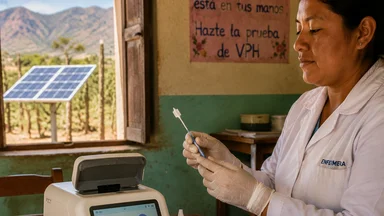
Single-lead ECG devices, like the KardiaMobile, can detect AF in seconds and are increasingly used in primary care in high-income settings. But in South African mining towns, they are rare. A 2024 pilot programme in the Limpopo province distributed 50 devices to nurses; the detection rate for new AF was 4% among patients over 55 with hypertension. Yet scaling the programme to the dozens of mining towns across the country would require investment that provincial health budgets cannot afford.
Untreated AF dramatically raises stroke risk. The CHA₂DS₂-VASc score in these patients is often high—age, hypertension, vascular disease—yet anticoagulation rates are low. Warfarin requires regular INR monitoring, which is logistically challenging in rural areas. Direct oral anticoagulants (DOACs) are simpler but cost more; many patients cannot afford them. A study from the Eastern Cape found that fewer than 30% of eligible AF patients in rural hospitals received any anticoagulation.
The consequence is a disproportionate burden of ischaemic stroke in mining communities. Stroke units are concentrated in urban tertiary centres, so a miner who has a stroke in a remote town may not reach a hospital in time for thrombolysis. The heart failure that eventually brings the ejection fraction below 35% is thus compounded by a preventable neurological catastrophe.
The Biomarker Gap: BNP Testing in the Bush
B-type natriuretic peptide (BNP) and its N-terminal fragment (NT-proBNP) are sensitive biomarkers for heart failure. They can distinguish cardiac dyspnoea from pulmonary causes and predict prognosis. In European and North American guidelines, BNP testing is a first-line diagnostic step. But in South African mining towns, it is rarely available.
Point-of-care BNP tests exist, but they cost roughly 150–200 rand per test—too expensive for routine use in public clinics. Instead, samples must be sent to a central laboratory, often 200 kilometres away. Turnaround times of a week or more are common. By the time the result arrives, the patient may have been lost to follow-up or treated empirically for asthma or COPD.
Without BNP, diagnosis relies on clinical examination and chest X-ray. But exam sensitivity for early-stage heart failure with preserved ejection fraction (HFpEF) is low. A patient with dyspnoea, clear lungs on auscultation, and a normal chest X-ray may be labelled “anxiety” or “deconditioning.” The missed diagnosis delays treatment with diuretics and angiotensin receptor blockers, allowing the heart to remodel further. Studies from sub-Saharan Africa suggest that HFpEF accounts for roughly half of heart failure cases, yet it remains underdiagnosed in settings without biomarker access.
Some provincial health departments have begun piloting NT-proBNP testing in district hospitals. A programme in the Western Cape, for example, showed that introducing the test reduced time to diagnosis by an average of 14 days. But scaling to mining towns in the Northern Cape and Mpumalanga faces the same barriers: cost, cold chain for sample transport, and shortage of laboratory technicians.
From Diagnosis to Device: The ICD Access Chasm
For patients whose ejection fraction is below 35% and who are on optimal medical therapy, ICD implantation is the standard of care for primary prevention of sudden cardiac death. In South Africa, ICDs are implanted only at tertiary cardiology centres in major cities—Johannesburg, Cape Town, Durban. A patient from a mining town in the Northern Cape must travel roughly 800 kilometres to reach Groote Schuur Hospital. The journey alone can cost several thousand rand, and the wait for a public-sector appointment can stretch to six months.
Even after implantation, follow-up is a problem. ICDs require periodic interrogation to check battery life, lead function, and arrhythmia episodes. Rural patients often miss these appointments because of transport costs or inability to take time off work. A 2022 audit at a Johannesburg tertiary centre found that 40% of patients who lived more than 100 kilometres away had not had a device check in over a year.
Sudden cardiac death rates in rural South Africa are not systematically tracked, but indirect evidence suggests they are higher than in urban areas. A study of out-of-hospital cardiac arrests in the Western Cape found that survival to discharge was 8% in Cape Town but near zero in rural districts. Without ICDs, the first presentation of heart disease is often the last.
The cost of ICDs is another barrier. In the private sector, a device costs roughly 200,000–300,000 rand. In the public sector, the state procures them at lower prices, but supply is limited. As of 2025, the waiting list for an ICD in the Gauteng province was estimated at over 1,000 patients. Many die before their turn.
Task-Shifting and Telemedicine: Patchwork Solutions
In response to these gaps, some provinces have begun task-shifting heart failure care to nurses. In KwaZulu-Natal, a nurse-led heart failure clinic at a district hospital has shown that trained nurses can titrate medications, monitor symptoms, and coordinate referrals as effectively as doctors for stable patients. A 2023 evaluation reported a 30% reduction in heart failure hospitalizations among enrolled patients over 12 months.
Tele-echocardiography is another promising intervention. In the Northern Cape, a pilot programme allows nurses at remote clinics to perform a limited echo after brief training. Images are transmitted via a mobile network to a cardiologist in Kimberley for interpretation. The programme has reduced the time from referral to echocardiogram from weeks to days. However, the system depends on stable internet connections, which are unreliable in many mining towns, and on the willingness of cardiologists to read images after hours.
Remote device monitoring for ICDs is also being explored. Patients can transmit device data from a home transmitter to a central server, reducing the need for travel. But the transmitters require a landline or cellular signal, and patients must be taught to use them. Uptake has been modest, with a 2024 report from a public-sector programme showing that only 60% of patients used the transmitter consistently.
Community health workers (CHWs) are the backbone of many chronic disease programmes in South Africa. In mining towns, CHWs visit homes to measure blood pressure, check for oedema, and remind patients to take medications. Their impact on heart failure outcomes has not been rigorously studied, but observational data suggest they improve medication adherence and reduce hospital readmissions. The challenge is scaling: CHWs are overburdened, with each covering hundreds of households, and their training in heart failure is often minimal.
What a Universal Health Coverage Push Must Address
South Africa’s proposed National Health Insurance (NHI) promises to close the equity gap in cardiac care. But the success of NHI for heart failure will depend on specific investments: point-of-care diagnostics like BNP and single-lead ECG at primary care level, standardized treatment protocols that can be implemented by nurses, and subsidized transport for patients who need to reach specialist centres.
Integration with occupational health services is also essential. The mining industry collects a wealth of health data on its workers, including blood pressure and lung function. Sharing these data with public-sector clinics could identify at-risk individuals before their ejection fraction drops. A pilot in the Free State that linked mine health records with district hospital databases showed that 15% of miners had undiagnosed hypertension that was captured in occupational records but never acted upon.
Finally, outcome data must be systematically collected. Without registries that track ejection fraction, ICD implantation rates, and mortality in rural areas, policymakers lack the evidence to allocate resources. A small heart failure registry in the Eastern Cape, started in 2022, has already shown that one-year mortality among diagnosed patients is 35%, higher than in urban cohorts. That kind of data can drive change—if it reaches decision-makers.
The 35% threshold is a clinical landmark, but in South African mining towns it is also a social one. Below that number, the heart fails faster, and the system fails too. Closing the gap will require not just better cardiology but a reimagining of how primary care, occupational health, and specialist services connect.
This article is for informational purposes only and does not constitute medical advice. Individual patients should consult a qualified healthcare provider for diagnosis and treatment.