Bangladesh Garment Workers Diagnose Hypertension Only After Migraine Prescriptions Fail
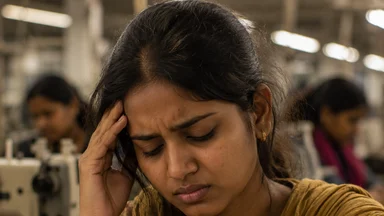
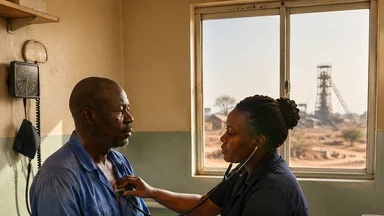
Fatema, a 32-year-old garment worker in Dhaka, spent eight months with severe headaches that disrupted her sleep and made each 12-hour shift feel longer. She visited her factory clinic three times. Each time, a nurse handed her paracetamol and told her it was a migraine. No one measured her blood pressure. When she finally saw a private doctor, the reading was 170/110 mmHg — stage 2 hypertension. Her headaches resolved within a week of starting amlodipine. Fatema is one of thousands of Bangladeshi garment workers whose hypertension goes undiagnosed until a crisis forces the issue.
A Migraine That Wouldn't Stop
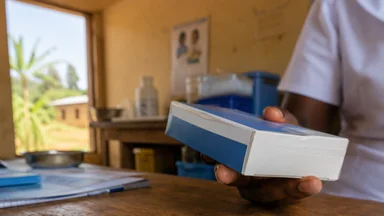
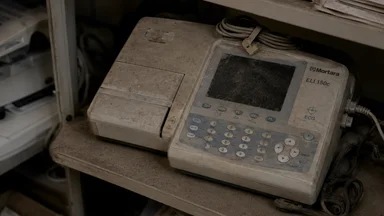
Fatema's story is not unusual. In a 2023 survey of 500 garment workers in Dhaka, 23 per cent had elevated blood pressure at screening, and 70 per cent of those were previously undiagnosed. Recurrent headaches were the most common symptom that eventually led to diagnosis, but only after months of failed migraine treatments. The factory clinics where workers first seek care are stocked with analgesics but rarely have blood pressure cuffs or basic laboratory equipment. A nurse at one such clinic told researchers, 'Headache equals migraine in young women' — a heuristic that delays diagnosis for months.
The World Health Organization's essential medicines list includes paracetamol for mild pain, and it is cheap and widely available. But the same list also includes amlodipine, a first-line antihypertensive that costs roughly US$ 0.04 per dose. The problem is not the availability of treatment; it is the failure to screen. In Bangladesh, hypertension screening is not routine in occupational health, and the Ministry of Health's noncommunicable disease programme has only recently begun to reach factory settings.
Patient delay of 8 to 12 months before diagnosis is common, according to a 2022 study in the Journal of Global Health. During that window, blood pressure can climb, damaging arteries, kidneys, and the heart. For women like Fatema, who are often the primary earners for their families, a stroke or kidney failure can be catastrophic.
Consider the case of Shahnaz, a 28-year-old seamstress from Savar. She experienced daily headaches for nearly a year before a visiting NGO health worker measured her BP at 160/100 mmHg. Shahnaz had been taking over-the-counter painkillers purchased from a local pharmacy, spending roughly US$ 2 per month — more than the cost of amlodipine. When she finally received a prescription, her blood pressure normalised within two weeks. But by then, she had already developed mild left ventricular hypertrophy, detectable only by echocardiogram. 'I thought the headaches were just from the heat and long hours,' she said. 'No one told me it could be my heart.'
Why Migraine Drugs Became First-Line
Factory clinics in Bangladesh operate on thin margins. A typical station serves 500 to 1,000 workers with one nurse and a stock of common analgesics, antacids, and oral rehydration salts. Blood pressure cuffs cost roughly US$ 15 to 25 — a one-time expense — but many clinic managers consider them unnecessary. 'Headache is the most common complaint, and we treat it with painkillers,' a clinic supervisor told a research team in 2024. 'If the headache persists, we refer to a government hospital, but workers often don't go because it means losing a day's pay.'
The WHO's HEARTS technical package recommends blood pressure screening in primary care, but occupational health settings in low- and middle-income countries remain a gap. In Bangladesh, the ready-made garment sector employs roughly 4 million people, mostly women of reproductive age. Hypertension prevalence in this group is estimated at 18 to 25 per cent, comparable to the general adult population, but detection is far lower. A 2024 cross-sectional study in Gazipur district found that only 12 per cent of garment workers with hypertension had been diagnosed previously, compared with 35 per cent in the general urban population.
The consequences of missed diagnosis are not trivial. Uncontrolled hypertension leads to left ventricular hypertrophy and diastolic dysfunction. In one Dhaka cohort, 12 per cent of young stroke patients had undiagnosed hypertension. Kidney damage is often silent until advanced; microalbuminuria is rarely tested. The cost of stroke care — including hospitalisation, rehabilitation, and lost wages — can exceed a year's income for a garment worker earning roughly US$ 100 per month.
Factory owners sometimes argue that screening is the responsibility of the public health system, not the workplace. But the public system is already overburdened. At Dhaka Medical College Hospital, outpatient wait times can exceed four hours, and a single BP check costs the patient roughly US$ 0.50 in travel and lost wages — a significant expense for a daily wage earner. Bringing the cuff to the factory floor eliminates that barrier. As one factory doctor noted, 'We see the same women every day. We can check their BP while they wait for their shift to start. It takes two minutes.'
A Hidden Cardiovascular Burden in Ready-Made Garments
The garment industry is Bangladesh's economic backbone, accounting for more than 80 per cent of exports. But the working conditions — long hours, poor ventilation, high temperatures, and limited access to water — contribute to cardiovascular risk. Factory meals are often high in salt, and chronic stress from production targets and job insecurity raises cortisol levels, which in turn raise blood pressure. A 2023 survey of 500 workers found that 23 per cent had elevated BP at screening, and of those, 70 per cent were previously undiagnosed.
Only 5 per cent of factories offered annual health checks that included blood pressure measurement, according to a 2024 report by the Bangladesh Garment Manufacturers and Exporters Association. The Bangladesh Labour Act 2006 mandates health checkups for workers, but enforcement is weak. Factory owners cite lost production time: each blood pressure check takes 5 to 7 minutes, and for a factory with 1,000 workers, that could mean 80 to 120 hours of lost labour per year. But the cost of not screening is higher. A single stroke patient can cost a factory more in lost productivity and compensation than the price of a dozen BP cuffs.
Some factories are starting to change. A pilot programme in Gazipur district, run by an NGO in partnership with the Ministry of Health, trained peer health workers to measure blood pressure during tea breaks. Over two years, the programme reduced stroke-related hospital admissions by 18 per cent. The intervention cost roughly US$ 0.50 per worker per year. Scaling it to all 4 million garment workers would cost about US$ 2 million annually — a fraction of the industry's US$ 40 billion in annual exports.
Yet not all experts agree that factory-based screening is the best use of resources. Some argue that community-based screening, integrated with maternal health programmes, could reach more women at lower cost. 'Garment workers are a mobile population,' said a public health researcher at the University of Dhaka. 'They change factories often. A factory-based programme may miss those who leave the sector.' However, the counter-argument is that factory clinics already exist, and they see workers daily. The infrastructure is in place; the missing piece is a blood pressure cuff and a few minutes of training.
The Diagnostic Cascade of Missed Hypertension
When hypertension is caught late, the body has already begun to remodel. The left ventricle thickens to pump against higher pressure, a condition known as left ventricular hypertrophy. In a Dhaka cohort of 200 garment workers with newly diagnosed hypertension, 15 per cent had echocardiographic evidence of LVH at the time of diagnosis. Diastolic dysfunction, a precursor to heart failure, was present in 22 per cent. These changes are partially reversible with treatment, but only if caught early.
Kidney damage follows a similar silent trajectory. Microalbuminuria — a sign of early kidney injury — was found in 8 per cent of garment workers with hypertension in a 2022 study, yet none had been tested before. In Bangladesh, dialysis costs roughly US$ 50 per session, and most patients require two to three sessions per week. For a garment worker earning US$ 100 a month, that is unaffordable. Many simply stop treatment and die.
The cerebrovascular toll is equally stark. A 2024 analysis of stroke admissions at Dhaka Medical College Hospital found that 12 per cent of patients under 45 had undiagnosed hypertension. Among garment workers, the proportion was higher: 18 per cent. The average age was 34. Most had no known risk factors other than elevated BP. As one neurologist put it, 'We are seeing strokes in women who should be in the prime of their lives.'
Consider Rina, a 36-year-old garment worker who suffered a stroke while at her sewing machine. She had never had her blood pressure measured. The stroke left her with partial paralysis on her left side, unable to work. Her family's income dropped by half. Her treatment — hospitalisation, physiotherapy, and medications — cost roughly US$ 1,200, more than a year's wages. The factory paid no compensation, as the stroke was deemed a pre-existing condition. 'If someone had checked my BP earlier, maybe I would have taken medicine and avoided this,' she said, struggling to speak clearly.
Affordable Fixes That Factory Owners Resist
The technology to prevent these outcomes is cheap and proven. A digital blood pressure monitor costs about US$ 15 to 25 and can be reused for years. Training a peer health worker to measure BP takes a few hours. Yet factory owners resist, citing lost production time. Each check takes 5 to 7 minutes, and for a factory with 1,000 workers, that could mean 80 to 120 hours of lost labour per year. But the cost of not screening is higher. A single stroke patient can cost a factory more in lost productivity and compensation than the price of a dozen BP cuffs.
Some factories are starting to change. A pilot programme in Gazipur district, run by an NGO in partnership with the Ministry of Health, trained peer health workers to measure blood pressure during tea breaks. Over two years, the programme reduced stroke-related hospital admissions by 18 per cent. The intervention cost roughly US$ 0.50 per worker per year. Scaling it to all 4 million garment workers would cost about US$ 2 million annually — a fraction of the industry's US$ 40 billion in annual exports.
But scaling faces barriers. Factory owners worry that identifying hypertensive workers could lead to demands for compensation or lighter duties. Labour unions, while supportive, have limited leverage in a sector where global buyers set tight deadlines and prices. International brands that source from Bangladesh have begun to include health screening in their audit checklists, but compliance is voluntary and rarely verified.
Another barrier is the fear of false positives. A single elevated reading does not confirm hypertension; it requires a second reading on a different day. In a busy factory, follow-up is difficult. Some clinics have adopted a protocol: if the first reading is above 140/90, the worker is asked to rest for five minutes and then rechecked. If still elevated, they are referred to a government hospital. But referral does not guarantee follow-up. In one study, only 60 per cent of referred workers attended a follow-up appointment within one month. The rest cited lack of time, cost, or fear of losing their job.
Treating Hypertension When the Diagnosis Is Already Late
Once hypertension is diagnosed, treatment is straightforward. Amlodipine 5 mg daily costs roughly US$ 0.04 per dose, or US$ 1.20 per month. But adherence drops when women feel no symptoms. A Dhaka study found that only 35 per cent of garment workers with hypertension had controlled blood pressure at one year. Side effects — ankle edema, headache, dizziness — are often mistaken for a new illness, and many stop taking the medication without consulting a clinician.
Peer support groups and SMS reminders improve adherence modestly. A 2023 randomised trial in Savar showed that weekly text messages increased the proportion of workers with controlled BP from 35 to 48 per cent at six months. But the effect waned after the messages stopped. Long-term adherence requires a health system that follows patients, not just a phone.
The factory clinic, once the site of missed diagnosis, could become the site of chronic disease management. Some clinics now stock amlodipine and offer free refills. But nurses are not trained to manage hypertension, and referral pathways to government hospitals are weak. A worker diagnosed at the factory may wait weeks for an appointment at a district hospital, and the cost of travel and lost wages often deters follow-up.
Task-shifting to nurses could bridge the gap. In a pilot in Gazipur, nurses were trained to initiate amlodipine for uncomplicated hypertension and to adjust doses based on follow-up readings. After one year, 52 per cent of workers in the task-shifting group had controlled BP, compared with 28 per cent in the usual-care group. The nurses used simple algorithms: if BP remained above 140/90 after one month, the dose was increased; if side effects occurred, the drug was changed to a low-dose thiazide. This approach required no physician involvement and cost less than US$ 0.10 per patient per month in training and supervision.
What a Simple Cuff Can Teach Global Cardiovascular Policy
The story of Bangladesh's garment workers is not unique. In many low- and middle-income countries, occupational health remains a blind spot in noncommunicable disease control. The WHO's HEARTS package, which includes BP screening in primary care, has been adopted by 40 countries, but few have extended it to workplaces. Bangladesh's 4 million garment workers represent a large, reachable population. Integrating BP checks into existing factory health stations costs little and could prevent tens of thousands of strokes and heart attacks each year.
A pilot in Gazipur district demonstrated what is possible. Over two years, stroke-related hospital admissions among garment workers in the intervention area fell by 18 per cent, while they rose by 5 per cent in a comparison district. The programme cost US$ 0.50 per worker per year. The return on investment, in terms of averted healthcare costs and preserved productivity, was estimated at 12:1.
But the pilot also revealed limits. Only 60 per cent of workers with elevated BP at screening attended a follow-up visit. Of those prescribed medication, half had stopped taking it after six months. A simple cuff can diagnose, but it cannot ensure treatment adherence or overcome the structural barriers that keep workers from seeking care. As one programme coordinator put it, 'We can bring the cuff to the factory floor, but we cannot force a woman to take a pill every day when she feels fine.'
Still, the potential is enormous. A national programme to screen all garment workers for hypertension would cost roughly US$ 2 million per year — less than the cost of treating 200 stroke patients. For a country where cardiovascular disease is the leading cause of death, and where the garment industry is the economic lifeline, the question is not whether screening is affordable, but whether the system can overcome the inertia of decades of neglect.
Global buyers, too, have a role. Some international brands now require factories to provide annual health checks, including BP measurement, as part of their supplier code of conduct. But enforcement is inconsistent. In a 2024 audit of 50 factories, only 12 had records of BP screening, and none had evidence of follow-up for workers with elevated readings. 'The brands ask for a checkmark on a form,' said a factory manager. 'They don't ask whether the worker received treatment.' Moving from box-ticking to meaningful accountability would require buyers to invest in health systems, not just audits.
Ultimately, the story of Fatema, Shahnaz, and Rina is not just about hypertension. It is about a system that treats symptoms instead of causes, that prioritises production over people, and that waits for a crisis before acting. The fix is cheap, proven, and within reach. The only missing ingredient is the will to implement it.
This article is for informational purposes only and does not constitute medical advice. Readers with health concerns should consult a qualified healthcare professional.